
What Are the Essential Rules for Properly Pruning Trees?
- Austin M
- Dec 6, 2025
- 8 min read
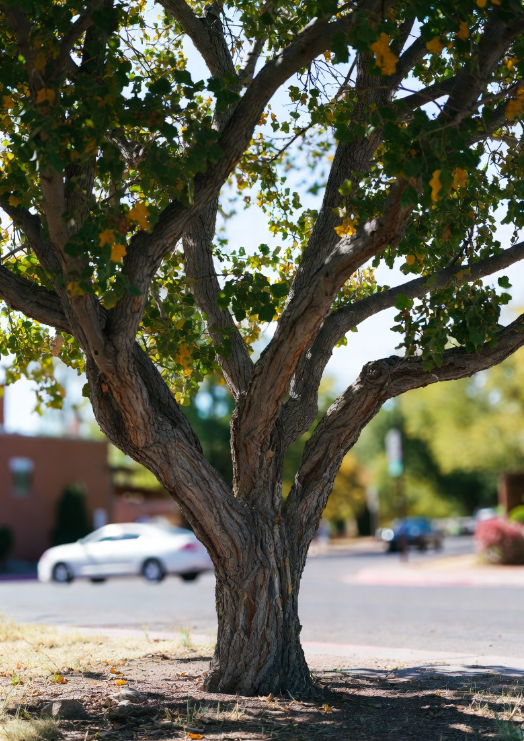
What are the essential tree pruning rules to follow?
Seven essential tree pruning rules protect tree health and structure in any climate.
Rule 1: Never remove more than 25 percent of a tree's canopy in one year. Over-pruning starves trees and causes lasting stress.
Rule 2: Make cuts just outside the branch collar, not flush against the trunk or leaving stubs. The collar contains healing tissue.
Rule 3: Prune during dormancy in late winter for most species. This minimizes stress and disease risk.
Rule 4: Remove dead, diseased, and damaged branches first, regardless of season. These are safety priorities.
Rule 5: Avoid topping trees by cutting main trunks. This creates weak growth and serious structural problems.
Rule 6: Use sharp, clean tools to make precise cuts that heal quickly. Dull tools crush tissue.
Rule 7: Cut large branches using the three-cut method to prevent bark tearing down the trunk.
Following these rules maintains tree health while preventing costly damage that takes years to repair.
Introduction
One wrong cut can doom a tree to years of weak growth, disease, and structural problems. Tree pruning rules exist to protect your investment, not limit your creativity. Most homeowners don't realize that improper cuts cause more damage than help.
Understanding essential tree pruning rules helps Albuquerque homeowners maintain healthy trees while avoiding costly mistakes. A single flush cut or topped branch can take five to ten years to correct. Some damage never heals completely.
We'll cover the fundamental rules professional arborists follow for every job. You'll learn why each matters for your cottonwoods and other Albuquerque trees. We'll also help you recognize when to call experts instead of risking DIY damage.
The 25% Rule - Never Remove Too Much at Once
Never remove more than 25 percent of a tree's live canopy in a single year. This rule applies to mature, healthy trees in normal conditions. Over-pruning removes the leaves your tree needs for photosynthesis and food production.
Young, healthy trees can tolerate up to 33 percent removal according to university research. Old or stressed trees should lose only 5 to 15 percent in one session. Trees under drought stress or fighting disease need even gentler treatment.
Albuquerque's intense sun makes this rule even more important here. Removing too many branches exposes bark that's always been shaded. This sudden sun exposure causes sunscald, which damages protective bark and invites pests.
How the 25% rule varies:
Young, vigorous trees: up to 33% removal maximum
Mature, healthy trees: 25% removal limit
Old or stressed trees: 5-15% removal only
Trees in drought: reduce removal by half
We see over-pruned cottonwoods throughout Northeast Heights every summer. The trees send up weak water sprouts trying to replace lost foliage. This creates more problems than the original pruning solved, requiring years of corrective work.
Calculate before cutting by stepping back frequently to assess total removal. If you need to remove more than 25 percent, plan the work across multiple years. Give your tree a full growing season to recover between heavy pruning sessions.
The Branch Collar Rule - Where to Make Your Cuts
The branch collar is the swollen area where a branch meets the trunk. This collar contains specialized tissue that helps trees seal wounds naturally. Your cut location determines whether the tree heals properly or struggles for years.
Cut just outside the branch collar at a slight angle following the collar's edge. Never cut into the collar itself or leave a long stub beyond it. The collar needs to remain intact to form protective callus tissue.
Flush cuts remove the branch collar and prevent proper healing. The wound never seals correctly because you've removed the tree's natural defense system. These cuts invite decay directly into the trunk.
Stub cuts leave too much branch beyond the collar. The stub dies back and becomes an entry point for fungi and boring insects. Dead stubs also prevent the collar from growing over the wound properly.
A simple test helps you avoid stub cuts: if you can hang a hat on the remaining stub, it's too long. The stub should be minimal, just enough to preserve the collar's natural shape.
For Albuquerque's cottonwoods and elms, proper collar cuts are critical in our dry climate. Decay spreads quickly through stressed trees, and improper cuts give fungi and beetles easy access. Never cut into the trunk itself when removing a branch.
The Timing Rule - When to Prune for Best Results
Late winter is the optimal time for most Albuquerque tree pruning. February through March works perfectly because trees are fully dormant but haven't started spring growth. Wounds heal quickly when spring arrives right after pruning.
Dead, diseased, or damaged branches should be removed immediately regardless of season. Safety hazards can't wait for the perfect timing. These emergency removals protect your property and prevent problems from spreading.
Spring-flowering trees like lilacs and redbuds require different timing. Prune these species right after their blooms fade to preserve next year's flower buds. Winter pruning removes the buds they set during summer.
Avoid late spring and summer pruning from April through September. Heat stress during these months weakens trees in our desert climate. Active pests and diseases during warm weather attack fresh cuts aggressively.
Never prune in fall between September and November. Fall cuts stimulate new growth that won't harden before winter freezing temperatures arrive. This tender growth dies back and wastes the tree's stored energy reserves.
Last February, we pruned over 40 cottonwoods and ash trees in Rio Rancho during the ideal dormant window. All healed perfectly by summer with no disease issues or pest problems.
Timing varies by species, so research your specific tree before cutting. Maples and birches bleed sap heavily if pruned in spring. Some species have particular disease vulnerabilities during certain seasons. If you need professional tree trimming services in Albuquerque, you've come to the right website.
The Three-Cut Method for Large Branches
Any branch over 1.5 inches in diameter requires three separate cuts to prevent damage. One-cut attempts cause branches to snap and tear bark down the trunk. This bark stripping creates massive wounds that take years to heal.
Cut 1: Make an undercut 6 to 12 inches from the trunk. Saw upward about one-third of the way through the branch from the bottom. This undercut prevents downward tearing when the branch falls.
Cut 2: Make a top cut 2 to 3 inches beyond the undercut. Saw downward until the branch falls cleanly. The undercut prevents the falling branch from stripping bark as it drops.
Cut 3: Remove the remaining stub with a proper collar cut. This final cut should be just outside the branch collar at the correct angle.
Skipping the three-cut method causes branches to snap and rip bark down the trunk as they fall. These tears expose large areas of cambium tissue to disease and insects. The damage can extend several feet down the trunk.
For cottonwoods common in Albuquerque, torn bark exposes trees to boring insects that thrive in our climate. Prevention is much easier than treating an infestation that started through damaged bark.
Large branch removal often requires professional equipment and safety training. Branches near power lines, over structures, or in the upper canopy need bucket trucks and rigging systems for safe removal.
The Dead-Diseased-Damaged Rule - What to Remove First
Always start pruning by removing the three D's: dead, diseased, and damaged wood. These branches pose safety hazards and health threats that take priority over aesthetic pruning. Removing them improves tree health regardless of timing.
Dead branches are brittle with no leaves or green cambium under the bark. They make a hollow sound when tapped and snap easily under pressure. Remove dead wood immediately before it falls and causes injury or property damage.
Diseased branches show discolored bark, oozing sap, fungal growth, or sunken cankers. Cut back to healthy wood at least 6 inches below visible disease symptoms. This prevents the infection from spreading into healthy tissue.
Damaged branches include storm-broken limbs, cracked branches, and those rubbing against structures. Hanging or partially attached branches are extremely dangerous. Branches rubbing your roof or fence cause ongoing damage to both the tree and your property.
Signs you need to remove a branch:
Dead: no leaves, brittle, hollow sound, dry and cracked
Diseased: oozing sap, fungal shelves, discolored bark, cankers
Damaged: storm-broken, hanging, cracked, rubbing structures
These three D removals don't count against your 25 percent limit. They're already non-functional tissue that contributes nothing to tree health. Removing them only helps the tree redirect energy to healthy growth.
In Albuquerque, watch for bark beetle damage on piñons and junipers. Small holes with sawdust and yellowing needles indicate active infestations. Act fast before beetles spread to healthy branches or nearby trees.
Disinfect your tools between cuts on diseased trees. Use rubbing alcohol or a 10 percent bleach solution to prevent spreading infection. Clean tools are especially important when moving between different trees on your property.
The Anti-Topping Rule - Never Cut Main Trunks
Topping means cutting a tree's main trunk or large branches at random points, leaving large stubs. This practice is never acceptable for tree health despite some companies advertising topping services. Topping destroys tree structure and creates hazards.
Topped trees respond by producing numerous weak sprouts around the cuts. These sprouts grow rapidly but attach poorly to the trunk. They break easily during Albuquerque's monsoon season winds, creating new hazards.
The massive wounds from topping cuts rarely heal properly. Trees cannot seal wounds larger than a few inches in diameter effectively. These open wounds invite decay fungi directly into the main trunk and structural branches.
Topping removes most of the tree's food-producing leaves in one session. This sudden loss starves the root system and weakens the entire tree. Many topped trees decline steadily and require removal within 5 to 10 years.
Crown reduction pruning offers a proper alternative to topping. This technique removes height by cutting back to lateral branches that are at least one-third the diameter of the removed branch. The tree maintains its natural form and structural integrity.
Why topping fails:
Creates weak sprout growth that breaks easily
Starves roots by removing food-producing leaves
Opens trunk to decay through massive wounds
Turns trees into long-term hazards requiring removal
Destroys natural form permanently
Never hire any company that advertises tree topping services. This practice shows a fundamental lack of arboricultural knowledge. Companies offering topping will likely make other harmful mistakes on your property.
The Tool and Cut Quality Rule for Tree Pruning
Sharp tools make clean cuts that heal quickly and resist disease. Dull tools crush and tear plant tissue, creating rough wounds. These ragged cuts take months longer to heal and attract pests to damaged areas.
Hand pruners work best for branches up to three-quarters of an inch in diameter. These are your primary tool for small branch work and detailed pruning. Keep multiple pairs on hand so you always have sharp blades available.
Loppers handle branches from three-quarters of an inch to 1.5 inches in diameter. The long handles provide leverage for thicker branches without crushing tissue. Choose bypass loppers over anvil styles for cleaner cuts.
Pruning saws cut branches over 1.5 inches in diameter effectively. The curved blade and sharp teeth make clean cuts through thick wood. Saws work better than loppers on larger branches because they cut rather than crush.
Pole saws extend your reach for high branches without a ladder. These tools work well for branches within 15 feet of the ground. Anything higher requires professional bucket truck equipment for safety.
Chainsaws handle the largest branches using the three-cut method. Operating chainsaws requires proper training and safety equipment including chaps, helmet, and face protection. Most homeowners should hire professionals for chainsaw work.
Clean your tools between trees to prevent spreading disease. Wipe blades with rubbing alcohol or spray with diluted bleach solution. This simple step protects your entire landscape from cross-contamination.
Professional equipment includes bucket trucks for tall trees and rigging systems for branches near structures. We use professional-grade tools sterilized between every job. Our team has pruned trees throughout Albuquerque for nearly 10 years without spreading disease between properties.
Planning Your Tree Care
Following tree pruning rules protects your investment and keeps your Albuquerque property beautiful. These seven rules form the foundation of proper tree care regardless of species or size. Breaking even one rule can cause damage that takes years to correct.
Maven Tree Services brings nearly 10 years of experience pruning cottonwoods, elms, ash trees, and other species throughout Albuquerque, Rio Rancho, and surrounding areas. Our team follows every rule in this guide plus advanced techniques that keep trees healthy for decades.
We provide free consultations to assess your specific pruning needs. Whether you need dormant-season pruning, hazard removal, or aren't sure where to start, we give you honest recommendations. Our goal is healthy trees, not unnecessary work.
Contact us today to schedule your tree pruning assessment. We'll evaluate your trees and explain exactly what needs attention and why. Professional pruning done right the first time saves money compared to correcting DIY mistakes later.


Comments